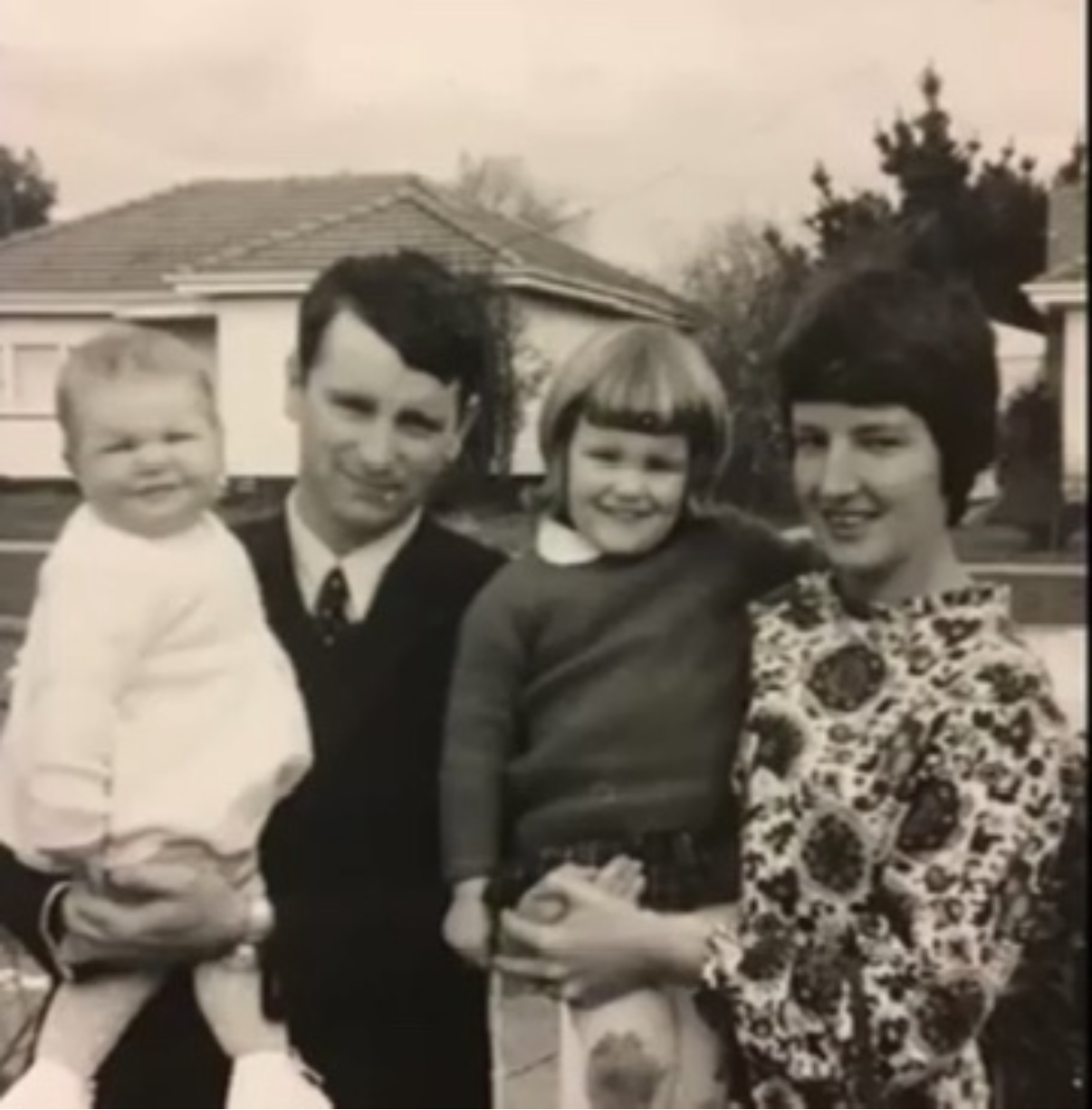
Last week I wrote about my dad, about turning 57 the same year he died, and about how much of the way I lead was set long before I ever ran anything. I ended on a question I didn’t answer: what impact have your parents, or whoever raised you, had on how you lead, and is it still influencing the way you show up today?
This was a topic that clearly touched a nerve, as many of you wrote back and shared your thoughts so I thought I’d dive a little deeper into it this week.
Most of us can name our values, our strengths, our leadership style, if you put us on the spot. Far fewer of us can name where the underlying wiring came from, the stuff that fires before we’ve had a chance to think. How you handle a setback, what you say to yourself when a decision goes wrong, whether taking a weekend off feels earned or feels like you’re getting away with something.
You didn’t choose any of that. Somebody modelled it, and you absorbed it, long before leadership was a word you’d have used to describe what you were doing.
Naming it is the hard part
The reason this stuff is difficult to shift isn’t that it’s complicated. It’s that it’s invisible. You can’t interrupt a pattern you’ve never actually looked at, and most inherited habits don’t announce themselves. They just feel like “how I am.”
A fortnight ago I wrote about a conversation in Munich with Dr Mindy Howard, who trains astronauts, and now leaders, using three linked ideas: situational awareness, behavioural modification, and a physical anchor trigger. The framework was built for high pressure moments in space, but it can be just as useful for spotting the inherited habit you’ve never questioned.
Situational awareness, in this context, just means catching yourself mid-pattern. Not after the fact, in the moment. Next time you’re under pressure, notice what you actually do. Do you go quiet? Do you over-explain? Do you take on more work rather than ask for help? That reaction is a data point, and like any other data point you can collect it, learn from it – and decide whether you want to keep it.
Not everything inherited needs replacing
I want to be clear about something, because it would be easy to read this as an instruction to audit your childhood and fix yourself. That’s not what I’m suggesting.
My dad gave me a work ethic and a refusal to wait for perfect conditions, and both have served me well for 25 years in business. I’m not looking to change either of them. I’m not asking you to dismantle everything you inherited. I’m asking you to work out which parts are actually yours by choice, and which parts you’re just still running on autopilot.
Some patterns will hold up under a closer look. Some won’t. You can only tell the difference once you’ve actually looked.
What to do with what you find
If you notice a pattern that isn’t serving you, that’s where the second and third pieces of Mindy’s framework come in. Behavioural modification means deciding in advance how you’d rather respond, before you’re back in the moment that triggers the old pattern. The physical anchor, a breath, a pause, a specific gesture, is what actually interrupts the automatic reaction for long enough to let you choose the new one instead of defaulting to the old one.
It won’t work the first time. It rarely does. But the pause gets easier to find with practice, and that pause is where the actual choice lives.
The question worth sitting with
What did you inherit that’s still running the show? And now that you can name it, is it still earning its place?
Actively understanding and managing your attitudes to risk and resilience is something we go deeper on in Ready to Rise.
If you're not yet in the community, here's the link.


Responses