
I've always been fascinated by businesses that remove friction.
Whether it's healthcare, technology or hospitality, the organisations that consistently stand out are usually the ones that make life simpler for their customers. Last week I experienced one of the best examples I've seen - and it happened in healthcare.
I've long believed that the more you understand about your health, the better decisions you can make. Knowledge really is power, and the more you know about what's happening beneath the surface, the more opportunity you have to influence your long-term health.
Over the years that's seen me trial almost every wearable you can imagine, and those of you who've read my blog over at iamcathiereid.com might remember that I travelled to Los Angeles a couple of years ago for a full-body MRI with Ezra. (I've linked that article here if you'd like to read it.)
I've also been on the waitlist for Neko for more than a year, and my number finally came up a few weeks ago. Fortunately, with all the time I'm spending in London at the moment, it was relatively easy to line up an appointment with one of my trips. So, at 5pm - coincidentally on the night England played Argentina in the Rugby World Cup semi-final - I headed to Neko's Marylebone clinic.
Neko is quite different to Ezra. There's no MRI involved. Instead, it's a comprehensive health assessment using a range of advanced scans and tests to build a complete picture of your health.
Think blood tests, ECG, blood pressure, skin imaging, grip strength, eye pressure - essentially every component of a comprehensive health assessment.
Normally these tests happen across multiple providers, with results scattered across different systems before someone eventually pieces them together into an overall assessment.
This is where Neko completely changes the experience.
Every one of those data points is collected in the first twenty minutes of your appointment. It's a high-tech, incredibly efficient process, with multiple sensors gathering different datasets simultaneously while a nurse calmly guides you through each stage.
But here's the game-changing part.
As soon as the testing is finished, you get dressed and walk into the next room, where a doctor is waiting to take you through a personalised presentation - one that would put many business board decks to shame.
Every result is already there, including your blood work.
No "We'll call you in a few days once the blood results are back."
Everything is available immediately, presented clearly and in plain English. The doctor walks through every result with you, answers questions, adds context where needed, and discusses any follow-up actions.
Less than fifty minutes after walking through the front door, I walked back out with a detailed understanding of how every major system in my body was performing, what I needed to focus on improving, and what I should keep doing because it was clearly working.
Before I'd even reached the end of the street, my phone pinged to let me know my complete report had already been uploaded to the app. When I opened it, the information had already been updated with the additional insights from my discussion with the doctor.
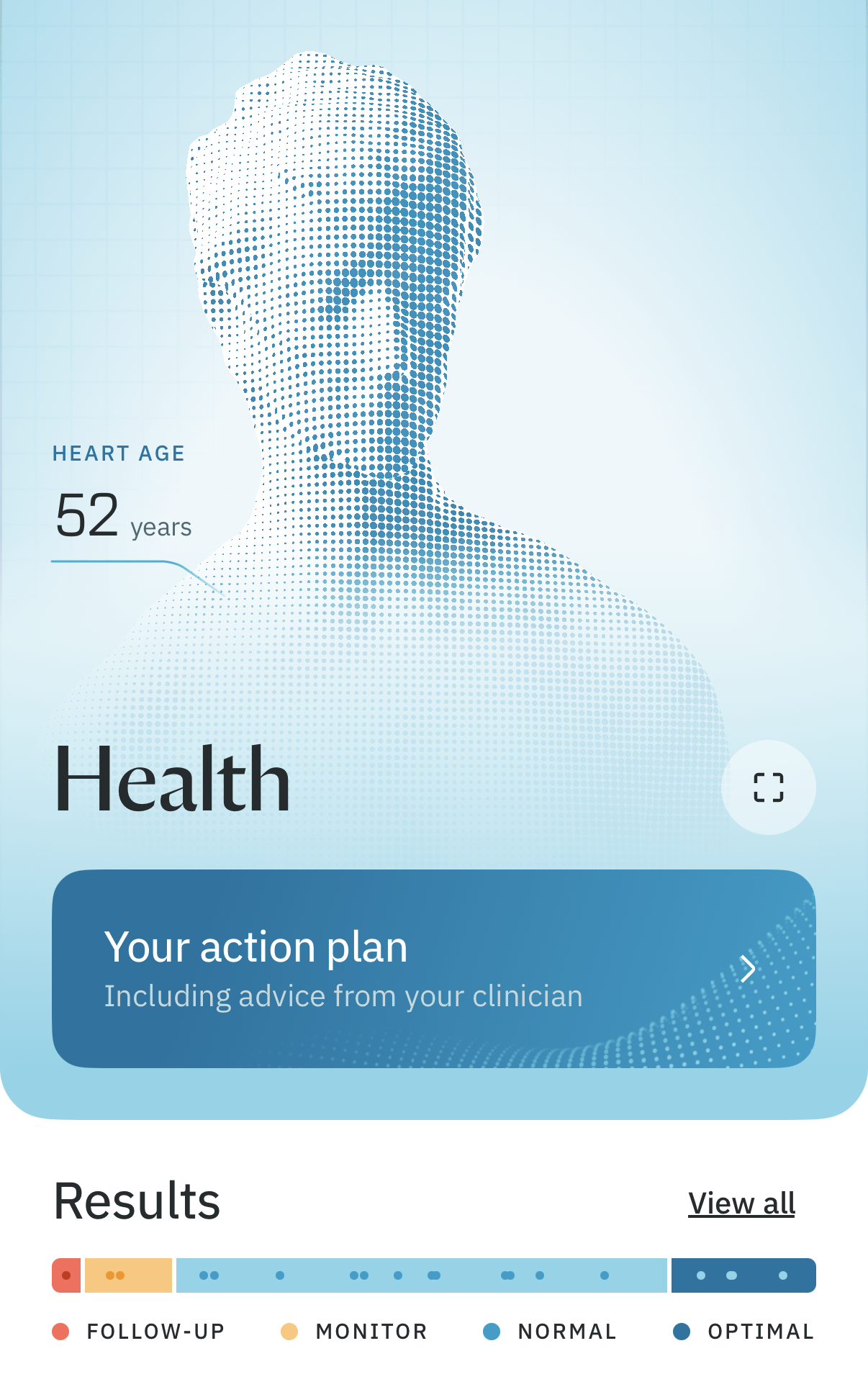
Now, none of this information is unique. You can access most of these tests through other healthcare providers, and depending on where you live and how your healthcare is funded, you may even be able to do it at a lower cost.
What impressed me wasn't actually the technology.
It was the complete removal of friction.
One location. One appointment. Immediate results.
A doctor who could explain everything clearly.
A detailed report in plain language before I'd even left the building.
As business leaders, we often spend enormous amounts of time thinking about what new features, products or services we can add.
But sometimes the biggest competitive advantage isn't adding something.
It's removing everything that gets in the customer's way.
It left me wondering where the friction points still exist in the businesses I’m involved with, and perhaps more importantly...
Where are the friction points in yours?

PS. I couldn't help comparing this experience with my recent surgery journey in Australia, which sat at almost the opposite end of the customer experience spectrum. If you missed that piece, I've linked it here.



Responses